Imperium: Rebels and Resistance to the British Empire
during the reign of Queen Victoria (1837-1901)
|
|
|
Cetshwayo [Natal], King of the Zulu Kingdom, at the Battle of Isandlwana inflicted the greatest defeat the British Army suffered against an indigenous people (1879). |
| |
|
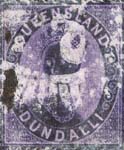
Dundalli [Queensland], was branded a murderer by the British authorities but revered by many Aboriginals as a resistance leader defending the honour and dignity of his people (1855). |
| |
|
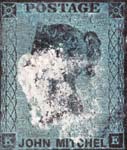
John Mitchel [Great Britain], a political journalist on the Dublin-based papers The Nation and The United Irishman, became a leading spokesman for Irish nationalism and independence. After advocating armed resistance to English rule, he was charged with treason-felony (1848). |
| |
|
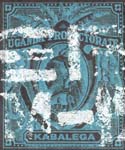
Kabalega [Uganda], King of Bunyoro, offered armed resistance over a five-year period against British attempts to colonise his kingdom (1894-1899). |
| |
|
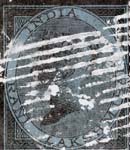
Rani Lakshmibai [India], warrior Queen of Jhansi, became a symbol of resistance to the British Raj during the Indian Rebellion (1857). |
| |
|
Louis Riel [Canada] was a Métis leader, who led two resistance movements against the Canadian Confederation; the Red River Rebellion (1869-1870) and the North-West Rebellion (1885). |
| |
|
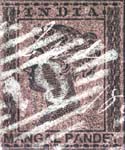
Mangal Pandey [India] attacked his British officers in a contumacious act that foreshadowed the Indian Rebellion (1857). |
| |
|
Maqoma [Cape Colony] was an outstanding military commander of the Xhosa, who fought the British in the Sixth and Eighth Xhosa Wars (1834-1836 and 1850-1853). |
| |
|
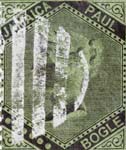
Paul Bogle [Jamaica] was a Jamaican Baptist deacon who led the Morant Bay Rebellion against the injustices of Governor Edward John Eyre’s regime (1865). |
| |
|
Puran Appu [Ceylon] became one of the leading figures in the Matale Rebellion against the British colonial rule of Governor Lord Torrington (1848). |
| |
|
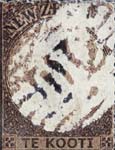
Te Kooti [New Zealand] was a Maori religious leader and successful guerrilla fighter, who evaded capture by the British for fifteen years (1868 – 1883). |
| |
|
Titokowaru [New Zealand], a Maori war leader and prophet, was a celebrated military tactician who fought British colonisation in what become known as Titokowaru’s War (1868 – 9). |
| |
|
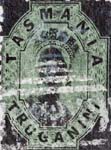
Truganini [Tasmania], having been outlawed in her youth, gained notoriety in old age as one of the few Aboriginals to survive the Tasmanian genocide (d. 1876). |
| |
|
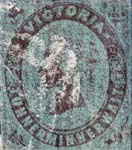
Tunnerminnerwait [Victoria], in an act of revenge for atrocities committed by whale-hunters, killed two whalers in the Western Port area of Melbourne. Originally a Tasmanian Aboriginal, his small group of fighters included the young Truganini (1841). |
|
< Cecil Rhodes statue, Oriel College, Oxford
< return to Hesperus
< return to Homepage |
| |
|
| |
|